Room terms, facilities, offers and venue details can vary, so the available information should be checked before making plans.
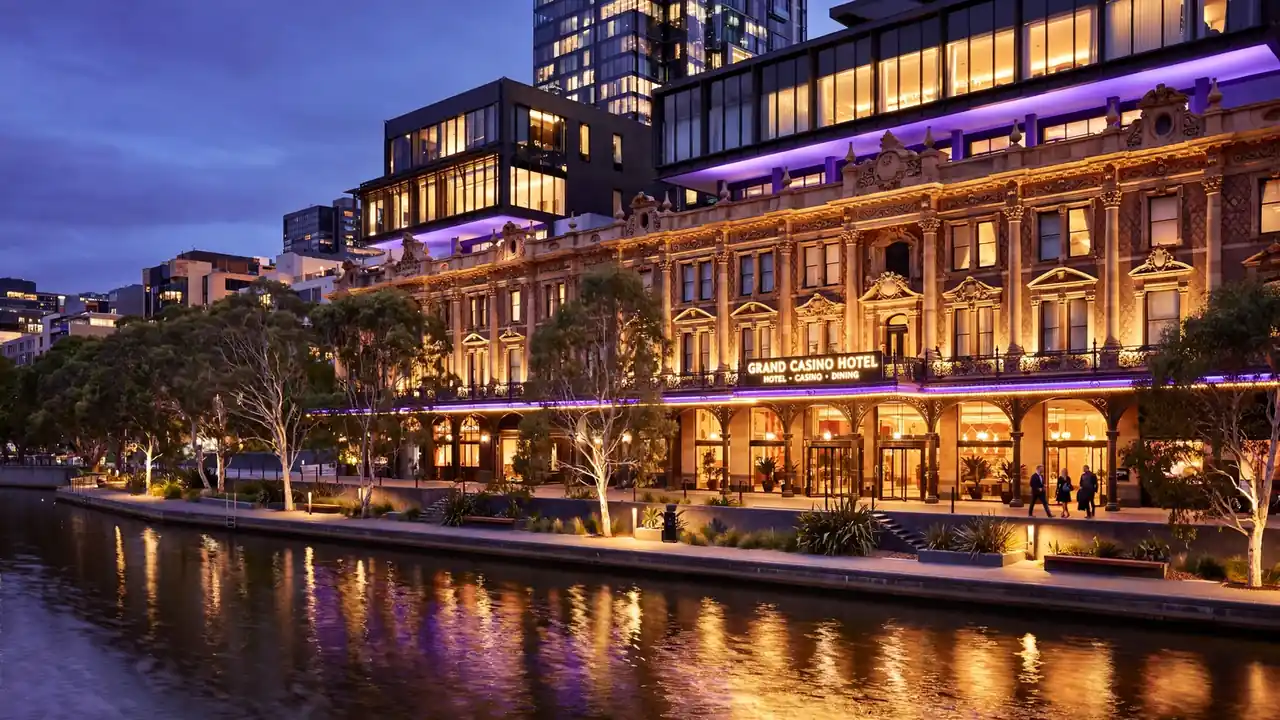
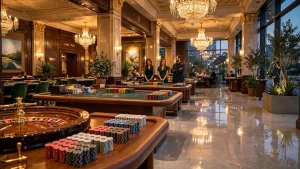
A casino hotel search often combines two different decisions: where to sleep and what the venue itself provides. The wording can make those sound like one package. They are not automatically the same thing. A room booking does not, by itself, establish access to particular facilities, a special rate, meals, parking or any other inclusion.
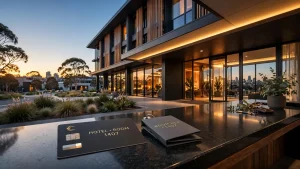
I have seen how the word “deal” can carry more weight than its actual terms. It may refer to a room price, a bundle or simply an advertised offer; the label alone does not explain what is included or when the offer applies. The same caution applies to claims about casino hotel rooms. A photo or a short description cannot settle details such as the room category, bed arrangement, view, accessibility features, cancellation conditions or whether taxes and other charges are included. Those particulars need to be stated in the booking information, not inferred from the casino name.
For a Melbourne stay, the practical question is not only whether a casino and a hotel are associated, but which entity is taking the booking and what the booking actually covers. A casino brand appearing beside a hotel listing is not proof that the casino operates the hotel or that the room rate includes casino-related benefits. I would separate the accommodation confirmation from any claim about venue access, then check each term on its own. A bundle is only as useful as its written conditions.
Choosing a casino for Melbourne means checking the details that matter to you, such as licensing, deposit minimums and payout options. This list offers a concise reference to help you assess the available information before deciding.
7Bit Casino
7Bit Casino is operated by Dama N.V. and holds a Curacao license.
MrPacho
MrPacho lists crypto payouts at 30–120 minutes and fiat payouts at 24–72 hours. Its minimum deposit is A$30.
SkyCrown
SkyCrown is licensed by the Tobique Gaming Commission. Its stated payout times are around 10–15 minutes for crypto and 1–5 days for fiat, with a A$30 minimum deposit.
Wild Tokyo
Wild Tokyo has a Curacao license and a A$10 minimum deposit. Its stated payout times are 30–60 minutes for crypto and 1–5 days for fiat.
Uptown Pokies
Uptown Pokies has operated since 2017 and holds a Curacao license. Its minimum deposit is A$20.
Thor Casino
Thor Casino is licensed in Curacao by Antillephone N.V. under Versus Odds B.V. Its minimum deposit is EUR 20.
Roby Casino
Roby Casino holds a Curacao eGaming license and is operated by Roby Games Ltd.
Ricky Casino
Ricky Casino lists crypto payouts in under an hour and PayID payouts in 1–3 business days. The minimum deposit is A$20, or A$30 to qualify for the bonus.
GoldenCrown
GoldenCrown holds a Curacao Gaming Control Board license, OGL/2023/176/0095, under Hollycorn N.V.
LevelUp Casino
LevelUp Casino holds a Curacao eGaming license, OGL/2023/174/0082, and is operated by Dama N.V. Its minimum deposit is A$15.
“Close to the action” is another phrase that sounds precise while leaving important details open. It does not establish the distance between a hotel entrance and a casino entrance, the route between them, or whether access is indoors. Nor does it tell a guest whether transport, parking or late arrival arrangements are available. Those are property-specific details. They should be confirmed against the hotel’s own current information rather than assumed from a broad location description.
The same separation matters when comparing hotels associated with a casino and independent hotels nearby. Similar wording in a listing does not mean the properties share ownership, booking terms or services. A room sold by one hotel remains that hotel’s product unless the booking terms say otherwise. The casino’s name, where it appears, is not a substitute for the property name and its conditions.
I would read a room offer in this order: identify the property, check the exact room category, then read the inclusions and cancellation terms. If a rate mentions breakfast, parking or another extra, the wording should make clear whether it is included, optional or subject to conditions. If the offer does not spell that out, the benefit should not be treated as part of the price. No guesswork.
There is also a difference between a property being open for arrivals and a casino being open for visitors. One does not establish the other’s operating hours. Hotel check-in arrangements and casino opening times are separate details, and a booking page may not answer both. For a late arrival or a plan that depends on a particular time, the relevant property or venue should confirm its own arrangements directly. A room reservation is not evidence of a specific casino schedule.
That is the limit of what the phrase “casino hotel in Melbourne” can establish on its own. It describes the kind of stay being sought, not a verified room, deal or package. The useful details are the ones attached to the named property and the specific rate: what the room includes, what it excludes, and which conditions apply. Until those terms are clear, “included” remains a sales word, not a confirmed benefit.
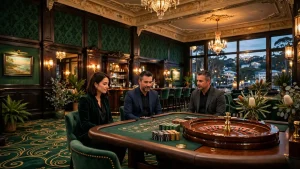
A search for poker in Melbourne can point towards several different things: a dedicated room, cash games, a scheduled tournament, or simply poker mentioned in connection with a casino. Those are not interchangeable. A venue name appearing beside poker does not, by itself, establish that games are currently running or that tournament entries are available.
I learned to separate the name of a product from the conditions behind it. “Poker room” sounds definite, but the useful details are practical: whether poker is actually hosted at the venue, which formats are offered, when games run, how registration works and whether places remain. Without those particulars, the label says little about what is available on a given day.
Tournament information needs the same care. A past event listing is not a current schedule, and a general reference to poker does not confirm a tournament. Dates, start times, entry requirements and registration arrangements can change. A listing should be checked against an official venue channel before travel or other plans are built around it. Otherwise, the advertised word is only a signpost.
The distinction matters because poker is not a single format. A tournament has a defined structure and schedule; cash-game arrangements work differently. A result page, old announcement or third-party directory may blur those categories, even when it does not intend to. I would look for a current, venue-issued notice that identifies the format and states the relevant arrangements. No current notice, no firm assumption.
There is also a difference between a casino’s general gaming offer and a confirmed poker facility. The first does not prove the second. Nor does a poker-related event elsewhere in Melbourne establish that it is being held inside a casino. Location is part of the claim, not a small detail.
For anyone comparing Melbourne poker options, the useful questions are therefore narrow: Is poker hosted at the venue now? Is the reference to a tournament or another format? Is there a current schedule, and are registration conditions stated? Does the information come from the venue itself rather than an undated listing? These checks prevent a broad label from being mistaken for a playable event.
I also treat “available” as time-sensitive. A room may be described online while a particular game is not running; a tournament may be announced but already finished. Even a venue’s general operating status cannot answer whether a poker table or event is active. Poker arrangements need their own confirmation. Separate question.
This is a venue-level issue, not a guide to online poker. The two can share the word “poker” while involving different settings and rules. For a physical Melbourne casino, the sensible standard is a current, specific notice tied to the venue and the particular game or event. If that detail is not stated, the claim should remain unconfirmed rather than being filled in by assumption.
That restraint is useful when search results use broad language. It keeps a poker room, a tournament and a passing mention of poker from being treated as the same offer. The name may start the investigation. It does not settle it.
A search for the best casino in Melbourne in 2026 can point to two different things: a physical venue in the city or casino-style games offered online. Those are not interchangeable. A venue search concerns a place; an online-casino search concerns a service governed by a different legal framework. The wording may be similar, but the rules are not.
Under the Interactive Gambling Act 2001, operators based in Australia cannot provide real-money online casino games to people in Australia. That restriction covers pokies as well as table games such as blackjack and roulette. A Melbourne venue’s existence does not make an online version of its games lawful. Nor does a familiar brand name change the position.
The distinction matters when a search combines casino and online terms. It also matters when the subject is something associated with a physical visit, such as dining, bingo or parking. Those are venue-related topics; they do not establish that online casino play is available or permitted. I have seen how easily a label can blur the boundary. Different service. Different rules.
Offshore platforms are often described as occupying a legal grey area for Australian players. That description needs care: the platform is not regulated under Australian law, and the prohibition on providing online casino services to people in Australia remains central. The fact that a player’s position has been described as technically not illegal does not turn an offshore site into an Australian-regulated service or offer the protections of local oversight. It is not a recommendation to use one.
There is a practical complication, too. Sites and game providers can restrict access according to a player’s location, using an IP address to identify the apparent country. Where a game is blocked, it may not appear in the lobby or may fail to load. A specialist review has reported that some software providers have blocked Australian access in anticipation of possible future legal changes; that is a report about particular providers, not a fixed rule for every game or operator. NetEnt’s historical restrictions on some jackpot games are a past example, not evidence of what is available now.
A VPN can make an internet connection appear to come from another country. That does not make access authorised. Using a VPN to reach region-blocked pokies sites is against the site’s terms of service and may lead to account suspension. A changed digital location does not change the player’s physical location or the law applying to the service.
The operational point is simple: online casino games offered to people in Australia are prohibited services, while an offshore site is not brought under Australian regulation merely by accepting Australian users. Offshore platforms can also leave players without the local regulatory framework that applies to lawful Australian services. An online label is not a licence.
From the counter side, “available” can mean only that a page opens or a game title is listed. It does not establish legality, regulatory protection or reliable access. Those are separate questions. No shortcut.
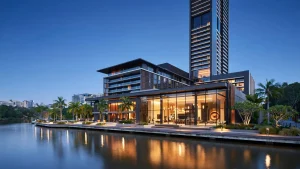
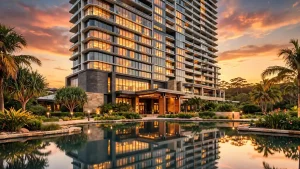
A stay near a Melbourne casino can mean several different things: a property operated by the venue, a separately run hotel in the surrounding area, or simply somewhere convenient for an evening visit. Those are not interchangeable. Without a confirmed property name, address or distance, “near” is not a useful booking measure on its own.
I have seen accommodation promotions described as though the headline settles the practical questions. It does not. A “casino deal” may refer to a particular booking channel, date or package condition; the word alone does not establish what is included or whether the offer is available for a specific stay. The mechanics matter more than the label. Check the property’s own booking terms before treating a promotion as a price or benefit.
For anyone comparing accommodation near a Melbourne casino, the reliable starting point is to identify the actual property and confirm its address directly. Then check the route to the intended entrance and how that journey works at the time of the visit. A map pin can show proximity, but it cannot by itself confirm access arrangements, walking conditions or whether a route suits late-night travel. Small detail. Real consequence.
The same discipline applies to parking. A nearby hotel listing does not establish that parking is available, included, or suitable for the visit. Nor does a casino-related search phrase confirm the location of a car park or its terms. Those details need to be checked with the property or venue responsible for the facility, rather than inferred from proximity.
Prices also need context. A displayed rate can depend on dates, availability, cancellation terms and what the booking includes. Comparing two headlines without checking those conditions can produce a misleading result. I would treat an offer as meaningful only after confirming the final terms for the intended dates and the exact property being booked. No headline is a booking confirmation.
This is separate from questions about casino-owned hotel rooms or what a venue stay may include. Here, the practical issue is whether an independently identifiable place to stay is genuinely convenient for a visit. The phrase “Melbourne casino accommodation” does not establish that a particular hotel is connected to the casino, and a promotional label should not be read as evidence of an affiliation.
Location matters for more than distance. The route, arrival time, transport plan and parking arrangements can all change whether a property is convenient. Those are particulars to verify against the real address and the operator’s current information, not details to fill in from an assumed venue location. Trading hours are a separate check; they should not be inferred from a hotel listing or an accommodation promotion.
For a careful comparison, keep the checks plain: confirm the property’s name and address, read the booking conditions, verify any claimed deal with the provider, and establish parking or travel arrangements directly. If those details are not clear, the label “near the casino” cannot resolve them. A location phrase is not evidence of a convenient stay.
A venue contact number is useful only when it leads to the right team. General enquiries, bookings, event support and parking questions may be handled separately, so a number copied from an old directory can create more friction than it removes. I treat the venue’s own current contact page as the starting point, then check that the page identifies the relevant department and the reason for contacting it. A familiar name is not enough. Details can persist online after the service or department has changed.
The same discipline applies to maps. A pin can identify a broad destination without showing the practical approach: which entrance is intended for a particular visit, where vehicle access begins, or whether a marked route is for guests, deliveries or another purpose. For a car park, the useful details are the entrance, access conditions and any restrictions that affect the planned visit. A map listing alone does not establish those details. Check that directions and any parking information come from a current venue source rather than an undated directory entry.
Bar listings need their own check. A venue name or photograph does not establish that a particular bar is operating, what it serves, or whether entry depends on an event or booking. I would look for a current listing published by the venue and confirm the specific location and service before relying on it. This is a different question from finding a restaurant: a bar may be sought as a place to meet or spend time, while dining details belong to a separate decision.
Concert information changes even faster. A listing can be old, incomplete or tied to a particular ticketing page, so the venue’s event page and the event organiser’s current notice should agree on the essentials. The venue name alone does not confirm that a concert is scheduled there. Nor does a general events page establish ticket availability or entry arrangements. Check the named event, its date and the stated venue before making plans. Keep it simple.
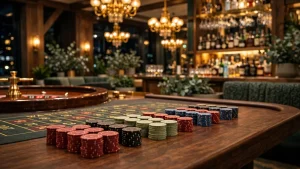
Some searches combine access details with gaming terms such as baccarat or craps. Those terms do not establish that a particular table game is offered at a Melbourne venue, or that it is available at the time of a visit. A current venue gaming directory is the appropriate place to check what is listed; a search-result snippet or old visitor post can describe a past arrangement. The same applies to a map of gaming areas: a general venue map may not identify every facility or indicate whether access is open.
In my experience, the weak point is often not the contact detail itself but the assumption attached to it. A phone number does not confirm a booking, a map does not confirm access, and an event listing does not confirm current entry conditions. Checking those items against the venue’s own updated information keeps a practical plan grounded in what is actually stated, rather than in an old listing or a confident-sounding label.
Breakfast, buffet service, rewards and employment are separate questions, even when they appear together in descriptions of a casino resort. I keep them separate because each depends on different terms and can change independently. A venue label does not establish what is served, which benefits apply or whether a role is currently open.
A breakfast search can mean a meal available to visitors, a buffet, or breakfast connected to a stay. Those are not interchangeable arrangements. “Buffet” describes a service format; it does not establish the menu, service times, price or whether advance booking is needed. Nor does the word “resort” establish that breakfast is included in any package.
For a Melbourne casino, those details need to be checked against current venue information before they become part of a plan. The useful distinction is between a meal offered on site and a meal bundled with another service. Marketing language can blur that line. The conditions settle it.
A casino rewards programme, if offered, has its own rules. The name alone would not explain how points are earned, which activities count, what benefits can be redeemed or whether membership conditions apply. Those details matter more than the promise of “exclusive” treatment. In practice, that word says little until the eligibility and redemption terms are clear.
I treat rewards as a separate calculation, not as a reason to increase gambling. A points balance does not change the odds of a game or make losses recoverable. Chasing losses is not a sound response to a reward threshold; a session budget should be set from available funds, and bets should not be raised to try to win money back. A benefit is only useful on its stated terms.
Casino job searches cover a broad range of possible work, from guest-facing roles to operational and administrative positions. A general reference to casino employment does not confirm that a particular role is vacant, what its duties are or what conditions apply. Those answers belong in a current listing and its application materials, not in assumptions drawn from the venue name.
I read a job advertisement as a set of practical conditions: the role, location, required experience, employment status and application process. If any of those are unclear, the listing needs clarification before an application is treated as a commitment. Old listings can remain visible after recruitment has ended. Check that the vacancy is still active.
Breakfast, rewards and jobs should therefore be assessed on their own evidence. A buffet description cannot establish a rewards benefit; a rewards programme cannot establish a job opening; and a resort label cannot confirm either. Keep each decision tied to the specific terms in front of it. No implied package.
A venue’s name can remain familiar while its operating arrangements change. That is why I separate three questions that often get bundled together: whether a Melbourne casino is open, whether a particular part of it is operating, and whether an event or entertainment program is scheduled. One answer does not settle the others.
For a planned visit, check current information from the venue rather than relying on an old listing, review or social post. Confirm the date and time shown, and look for notices about temporary closures, altered access or event-specific arrangements. A page that describes the venue generally is not proof that every area is available on the day. Details can change. Plans need current confirmation.
Reopening language deserves the same care. A reference to a casino reopening may describe a past event, a limited return to service or a proposal rather than a confirmed opening date. Development coverage can also discuss plans without establishing that work has begun or that a change is complete. I would treat a date as firm only when it appears in a current venue announcement or another reliable, up-to-date notice.
Entertainment listings need to be read at the level of the event, not just the venue. Check whether the listing identifies a specific date, start time, location and any entry conditions. A general “what’s on” page may include events that are not taking place that evening; a past listing can continue to circulate after the event has ended. If a visit depends on a performance or other scheduled activity, verify that the listing is current before travelling.
A “review” can help explain how someone experienced a visit, but it is not an operating notice. Reviews may refer to an earlier period, and a favourable account does not establish today’s hours, entertainment schedule or access arrangements. I read them as personal impressions, not as a substitute for current venue information. Useful distinction.
There is also a difference between a casino being open and a particular event being available to the public. Some listings may have entry conditions or require arrangements separate from general venue access. Where the listing does not make those details clear, avoid assuming that an event is walk-in or that admission is included.
For anyone comparing Melbourne casino options in 2026, the practical standard is simple: use current, date-specific information, then recheck close to the visit if the timing matters. Do not infer an opening from an old announcement, or an event from a standing entertainment page. Until those details are confirmed, neither a reopening date nor a program should be treated as settled.
A restaurant associated with a casino is a separate decision from choosing the venue itself. The useful questions are ordinary ones: what kind of meal is served, whether the menu suits the occasion, when the kitchen operates and whether a booking is needed. A name on a map or directory does not answer those questions.
I have seen how listings become misleading without anyone deliberately setting out to deceive. A venue can change its menu, service pattern or booking arrangements while older descriptions remain in circulation. A short directory entry may also omit the distinction between a full-service restaurant and another kind of food outlet. The label looks definite; the detail behind it may not be.
That is why I would not treat “restaurant” as a complete description. The menu matters: a formal dining room, a casual meal and a place focused on a particular cuisine are not interchangeable. So do the practical terms attached to a booking, including seating times, cancellation conditions and any requirements for larger groups. Those are operating details, not decoration.
For anyone considering restaurants at a Melbourne casino, the sensible comparison is between current, venue-specific information rather than broad claims about choice or quality. Look for a dated menu and an explicit statement of service times. If a listing does not show those details, it cannot establish what is available on a particular day. “Extensive” is advertising language until the actual menu is visible.
There is another distinction worth keeping clear. Casino dining is not automatically part of a room booking, an admission arrangement or any other package. Those are separate terms and should be read separately where they apply. A meal offer, if one is advertised, needs its own conditions: which outlet it covers, when it can be used and whether it requires advance booking. The word “included” can conceal more than it explains.
I also avoid treating online photographs as evidence of current service. Images may show a past menu, a special event or a room arranged for a particular occasion. They can give a feel for presentation, but they do not establish today’s prices, available dishes or kitchen hours. Details first. Atmosphere second.
For a Melbourne casino restaurant search, the dependable standard is straightforward: an identifiable outlet, a current menu and clear operating information. Without those, there is no sound basis for comparing restaurants or describing one as the best fit. That is not a criticism of any venue; it is simply the difference between a broad listing and information that can support a dining plan.
A search for a casino day spa can point to several different things: a treatment facility inside a casino complex, a spa at a separate hotel, or an independent business nearby. Those are not interchangeable. A location’s proximity to a casino does not make it a casino amenity, and a hotel’s spa does not necessarily form part of a casino stay.
I learned to treat the word “spa” as a label, not a service description. It can refer to treatments, a bathing or relaxation area, or simply a business name. The useful details are the ones that define the actual offer: which treatments are available, whether bookings are required, what areas or facilities are included, and whether access is limited to hotel guests or open to other visitors. Without those particulars, the label says little about what a visit involves.
The same care applies when identifying the venue. Melbourne casino searches can produce pages for a property, a hotel, a shopping or entertainment complex, and businesses in the surrounding area. Before relying on a spa listing, the venue name and location should match the business’s own current information. An old directory entry or a third-party description may remain visible after services or arrangements have changed.
Dress expectations are another detail that should be checked against the specific business rather than inferred from the casino setting. A spa may have its own requirements for treatment appointments or shared facilities; those are separate from any expectations that apply elsewhere in a complex. “Relaxed” is not a precise policy. Check the wording attached to the service being booked.
I would also separate a spa appointment from other parts of a casino visit when reading an offer. “On-site” can describe a location without establishing that treatments, facilities, or entry are included in a room or package. The booking conditions should identify what is covered and any restrictions. Small print matters. Especially here.
For anyone comparing spa options around Melbourne, the reliable sequence is straightforward: identify the operator, confirm the exact premises, read the current service description, then check booking and access conditions directly with that business. If the listing does not make clear whether it is within the casino, within a hotel, or merely nearby, that distinction should be settled before making plans.
That keeps the focus on the service itself rather than the atmosphere implied by the casino name. A spa can be a separate business with separate terms, even when a map places it close to a major venue. Location is not inclusion.
A food court and a pool serve different purposes, and neither should be assumed to come with a casino visit. The first suggests quick-service choices grouped in one area; the second points to a leisure facility, often associated with a broader venue or stay. Those labels are not interchangeable with a restaurant or a hotel room.
I have seen venue descriptions blur these distinctions. “Dining” may cover anything from a counter-service outlet to a full-service restaurant, while a pool can be mentioned in connection with a nearby property rather than the casino itself. The wording matters. A general reference to food or accommodation does not establish that either facility is on the casino premises.
For anyone comparing Melbourne venues, the useful detail is a specific facility listing tied to the property itself. A food-court entry should identify the service area, rather than relying on a broad dining label. A pool listing should make clear which venue operates it and whether access is part of a casino visit or belongs to separate accommodation. Without that distinction, a short description can create the wrong expectation.
The same care applies to maps and third-party directories. A nearby food outlet is not necessarily a casino food court, and a pool in the surrounding precinct is not necessarily a casino amenity. Treating the location and operator as part of the description keeps the comparison grounded.
There is no reason to infer either feature from the word “casino” alone. Quick meals and swimming facilities are separate operational choices, not automatic parts of a gaming venue. Plain distinction.
You must be 18 or older to play poker machines in NSW.
Australian-run online casinos cannot legally offer online casino games to players in Australia. Offshore casinos are not regulated under Australian law, though it is technically not illegal for Australian players to use them; operators or software providers may still block access from Australia.
Free-spin winnings commonly carry wagering requirements of 20x to 50x, and the stated requirement for free-spin winnings is 30x before withdrawal. Pokies typically contribute 100% toward wagering requirements.