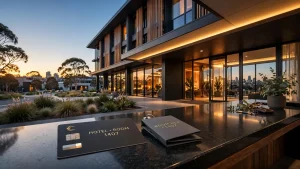
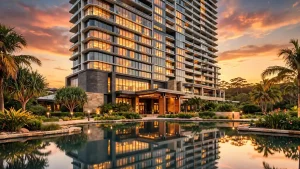
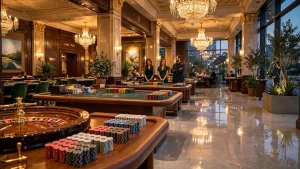
Hotel bookings, gaming access, venue services and facilities can have separate terms and schedules.

The phrase “casino hotel” sounds like one product: a room, access to gaming and perhaps a few extras bundled into a single stay. In practice, those pieces can be separate decisions, each with its own terms. A hotel booking does not by itself establish what gaming is available, when a venue operates or whether any particular facility is included. I learned to treat the package language as a prompt to inspect the components, not as proof that they are joined up.
For a Sydney stay, the first distinction is between the property and the casino. A room may be sold by a hotel operator, while casino access and venue services sit under different arrangements. The name attached to a booking is not enough to show which services are included, whether access is conditional, or what happens if the casino and hotel schedules differ. Those details belong in the booking terms and venue information, not in the label.
“Deal” is another word that needs unpacking. It may describe a room rate, a stay tied to selected dates, or a package with conditions. The headline can make a price look comprehensive while leaving taxes, cancellation rules, occupancy terms or inclusions to the smaller print. I do not treat a promotional label as evidence of value until the total price and the exact inclusions are clear. A low room rate is not the same thing as a low-cost trip.
Choosing a casino for play in Sydney calls for attention to the details that are actually available, such as licensing, deposit minimums and withdrawal methods. Use these listings as a starting point and check the terms that matter to you before signing up.
7Bit Casino
7Bit Casino is operated by Dama N.V. and holds a Curacao license.
MrPacho
MrPacho lists a minimum deposit of A$30. Its stated payout times are 30–120 minutes for crypto and 24–72 hours for fiat.
SkyCrown
SkyCrown is licensed by the Tobique Gaming Commission. Its stated payout times are around 10–15 minutes for crypto and 1–5 days for fiat, with a A$30 minimum deposit.
Wild Tokyo
Wild Tokyo holds a Curacao license and has a A$10 minimum deposit. Its stated payout times are 30–60 minutes for crypto and 1–5 days for fiat.
Uptown Pokies
Uptown Pokies has operated since 2017 under a Curacao license. Its minimum deposit is A$20.
Thor Casino
Thor Casino is licensed in Curacao by Antillephone N.V., with Versus Odds B.V. named as operator. Its minimum deposit is EUR 20.
Roby Casino
Roby Casino is listed as holding a Curacao eGaming license, with Roby Games Ltd named as the operator.
Ricky Casino
Ricky Casino lists crypto payouts in under an hour and PayID payouts in 1–3 business days. The minimum deposit is A$20, or A$30 to qualify for the bonus.
GoldenCrown
GoldenCrown holds a Curacao Gaming Control Board license, OGL/2023/176/0095, with Hollycorn N.V. named as the operator.
LevelUp Casino
LevelUp Casino holds a Curacao eGaming license, OGL/2023/174/0082, and is operated by Dama N.V. Its minimum deposit is A$15.
Room descriptions need the same scrutiny. A room category tells little on its own about the view, bedding, accessibility, check-in arrangements or whether a requested feature is guaranteed. Photos are useful for orientation, but they do not replace the written room description. If a booking depends on a specific requirement, the deciding detail is whether it appears as a confirmed feature rather than a preference noted at the time of reservation.
Hours matter because a hotel stay and a casino visit do not necessarily follow the same timetable. A late arrival, an early departure or a planned visit can be affected by separate operating schedules and entry conditions. The time shown for one part of a venue should not be treated as the opening time for every service. That is a small distinction with practical consequences.
The state rules around poker machines are also separate from hotel packaging. In NSW, gambling on poker machines is restricted to people aged 18 or older, and a mandatory pre-commitment system requires players to set a loss limit before playing. Those rules describe gambling conditions; they do not confirm what a hotel booking includes or establish the timetable of a particular Sydney venue. A stay and a gambling decision should not be collapsed into one promise.
I have seen “all in one” do too much work in hospitality copy. It can make separate suppliers, schedules and conditions feel seamless, even when the customer still has to check each part. The useful test is plain: identify the room provider, read the rate conditions, confirm what is included, and verify any venue access or operating detail directly before relying on it. If the booking page does not say, the label cannot fill the gap.
That approach is less glamorous than a package banner, but it avoids a familiar mismatch: a room is booked, while the expected casino access, timing or extra turns out to be something else. The stay may still suit the trip. It simply should not be treated as a single confirmed product until its parts are stated clearly. No assumptions.
A poker room and a poker-machine area are not interchangeable. A poker room is associated with games played against other people, often in organised tournaments; poker machines, known locally as pokies, are electronic games played individually. The shared word can make listings seem more informative than they are. It does not establish that a venue runs either activity.
A request for poker at a Sydney casino may mean a cash game, a scheduled tournament, or simply access to poker machines. Those are different offerings, with different practical details. A tournament listing needs to establish dates, format and entry conditions; a general reference to gaming does not answer those questions. I keep the distinction clear because the label “poker” can do a lot of work in promotional copy while leaving the actual product unspecified. The detail matters.
The NSW rules described here concern poker machines, not a Sydney poker-room schedule. In NSW, a person must be at least 18 to gamble on poker machines. Venues should check identification where needed to confirm eligibility; underage gambling is not permitted and can carry legal consequences. That age rule should not be casually extended to make assumptions about every poker tournament or other venue activity.
NSW also requires pre-commitment for poker-machine play. Before playing, a person sets a loss limit. This is a control on the gambling session, not a prediction of what will be won or lost, and it does not make a machine safer or change its outcomes. In my experience of how venue conditions are presented, the distinction can get lost when a safeguard is described as a benefit. It is a limit-setting requirement. Nothing more.
A sensible session plan means setting a budget that fits the available bankroll and sticking to it. Losses are not a reason to raise stakes or keep playing in an attempt to recover them. That is how a planned session turns into an unplanned one. Stop when the limit is reached.
A search for casino rooms may instead refer to accommodation, while a sports bar at a casino is a separate venue amenity. Neither tells a visitor whether poker is offered, whether tournaments are scheduled, or whether a particular area is operating today. Likewise, a venue being open does not establish that a poker table or tournament is available at that time. Each claim needs its own current confirmation from the venue.
That is the practical dividing line: NSW’s age and pre-commitment rules apply to poker-machine gambling, while room access, tournament arrangements and bar facilities are venue-specific matters. A machine room is not a poker room. A tournament mention is not a calendar.
A breakfast buffet, a general buffet, a resort stay and a rewards program are separate products, even when a venue’s marketing groups them under one name. A buffet may have its own service hours and booking conditions; breakfast may be part of a room package or sold separately; a resort label can cover accommodation and facilities; and rewards can refer to member benefits. None of those labels, by itself, confirms what a Sydney casino offers.
I have seen package language do a lot of work with very few specifics. “Resort” can sound like a complete holiday, while the actual offer may hinge on what is included, when it is available and whether separate conditions apply. The practical check is the detail attached to the specific offer: what the price covers, whether reservations are needed, and which terms apply. Without those particulars, a buffet or breakfast should not be treated as an included benefit, and a resort description should not be read as proof of any particular facility.
The same distinction applies to rewards. A venue loyalty scheme is not the same thing as an online casino welcome offer or free-spin promotion. The word “reward” can mean points, member access, a dining benefit or a promotional credit; the label alone does not establish which, if any, is available. It also does not confirm eligibility, exclusions or how a benefit is redeemed. Those details belong to the specific program, not to the word printed in a headline.
Online bonus terms provide a useful contrast, not a guide to venue membership. A report on psu.com describes free-spin winnings as carrying wagering requirements in a range from 20 to 50 times the winnings before withdrawal. Separately, a specialist review reports a 30-times wagering condition for free-spin winnings. These are attributed statements about online promotions, not universal rules and not conditions that can be transferred to a Sydney buffet, breakfast package or rewards scheme. The figures differ; the terms of an actual offer would need to be read on their own.
That is the part promotional copy often compresses. “Free” may describe how spins are awarded, not whether resulting winnings can be withdrawn immediately. A wagering condition determines how much eligible play is required before withdrawal, while a venue benefit may have entirely different redemption conditions. One should not be used to infer the other. Different product. Different fine print.
Employment searches sit outside both categories. A job listing is not a dining offer or a member benefit, and a general reference to casino work does not establish that a Sydney venue has a current vacancy. Any employment decision needs a specific, current listing with the role and application details stated.
For a breakfast or buffet plan, the useful evidence is a current venue page or booking confirmation that names the meal and its conditions. For a resort package, it is the included services and exclusions. For rewards, it is the program’s own terms. If those particulars are absent, the search phrase is only a description of what someone hopes to find—not confirmation of a service.
Parking, dining, bingo and online play point to different decisions, even when they appear together in a search for a Sydney casino. They should not be treated as evidence of one confirmed venue package. A parking result does not establish that parking is available, that valet service operates, or that any parking is free. Those details, along with dining arrangements and bingo sessions, need confirmation from the venue before they become part of a visit plan.
That distinction matters because practical information tends to be presented as if it were settled. “Convenient parking” is a claim about access, not a description of a verified space or service. “Dining” can mean anything from a full-service restaurant to a limited food offer; the word alone confirms neither. Bingo is separate again: a venue’s association with gambling does not establish that it runs bingo or indicate when a session might take place.
I have seen how search wording can compress several assumptions into one apparent destination. The business decision is to separate them: parking is a transport question, dining is a service question, bingo is an activity question, and online casino play is a legal question. Each needs its own reliable confirmation. Search phrasing is not a booking confirmation. No shortcut.
The online part requires particular care in Australia. Under the Interactive Gambling Act 2001, operators based in Australia cannot lawfully provide real-money online casino games such as pokies, blackjack and roulette to people in the country. That is different from sports betting, which remains widely accessible and legal in Australia. The distinction is about the type of service, not a general permission for every gambling product presented online.
So a page describing an “online casino in Sydney” should not be read as proof of a locally lawful casino service. The words may refer to an online search, an offshore platform, or a physical venue’s web presence; those are not interchangeable. Australian law restricts locally provided online casino games. A familiar brand or a polished site does not change that boundary.
For a physical visit, the useful check is narrower and more practical: confirm whether the particular venue offers parking, whether valet parking is operating, and whether any charge or access condition applies. Confirm dining availability separately, and check directly whether bingo is actually scheduled. These are venue logistics, not details that can safely be inferred from a broad label or a general casino listing.
A “best casino in Sydney” assessment therefore cannot rest on an assumed free car park, an assumed dining offer or an online casino result. Those claims concern different services, and an online result does not establish a lawful local casino-games operator. The sensible comparison starts with what can be confirmed for the intended visit and keeps online gambling claims on the other side of the legal line.
A room described as being near a Sydney casino can mean different things in practice. It might refer to a property within walking distance, a short drive away or simply somewhere marketed to visitors interested in casino entertainment. Without a confirmed address and a clear definition of “near”, the phrase is not a usable measure of distance. I have learned to treat it as a label, not a travel plan.
The property’s own address is the starting point. A booking page, map pin and confirmation should refer to the same place; a prominent casino reference in a headline does not establish how far the accommodation is from a venue. Route conditions and transport options are separate considerations, too. “Close” does not tell a guest whether a journey is practical with luggage, late at night or during a busy period.
Rates need the same care. A displayed price may apply only to particular dates, room types or booking conditions. A phrase such as “casino accommodation deal” can describe a package, a promotional rate or simply the way a listing is presented. The label alone says nothing about what is included, whether availability remains, or what conditions apply to changes and cancellation. Read the terms attached to the actual booking rather than treating a headline as the offer.
I have seen how a promotional word does its work: “exclusive” sounds like a benefit, but the useful detail is the condition attached to it. Is the rate for the required stay, does it include anything beyond the room, and are there restrictions that matter to the booking? If those points are not clear, the promotional language cannot settle the value.
The same distinction applies when accommodation is described as connected with a casino. That wording does not, by itself, establish that a room is inside the venue, that the property is operated by the casino, or that gaming access is part of the booking. Those are different claims. Each needs to be stated plainly in the property’s own terms.
Searches for the casino’s location can also become mixed up with searches for somewhere to sleep. A venue address identifies a destination; it does not identify nearby accommodation or show the distance from any particular property. Likewise, a room listing does not establish a casino’s opening hours, gaming-machine availability or current promotions. Those details belong to separate checks and should not be inferred from a package title.
I would keep the decision in two parts: establish the address and conditions of the accommodation, then confirm the venue details independently if they affect the stay. That avoids turning a broad marketing phrase into an assumption about location, access or price.
No shortcut.
A baccarat listing answers a different question from a bar directory or a venue’s contact page. The game name points to a table-game enquiry; it does not establish that a particular Sydney venue offers baccarat, when a table is available, or what its entry conditions are. The same applies to craps. A game appearing in a search result is not confirmation of a current offering.
I have learned to separate the attraction named in a listing from the detail that makes a visit workable. A venue page may describe a game, while a separate notice governs access or availability. Those details can change, so an old mention or a third-party directory should not be treated as a live schedule. Marketing language can make an amenity sound settled. The operational detail matters more.
A bar search concerns an on-site service: its location, opening arrangements and any conditions for entry. It should not be read as evidence of a particular menu, event or trading time. Likewise, a car-park listing or map pin can help distinguish a destination from nearby streets, but it does not by itself confirm parking access, capacity or terms. Those are practical questions, not assurances that can be inferred from a venue name.
Concert information sits in another category. An event announcement needs its own date, ticketing and venue details; the presence of a casino or bar in the same listing does not establish that a concert is scheduled there. Contact details are similarly specific. A published phone number may route to general enquiries rather than gaming, events or parking, so the purpose of a contact channel matters as much as the number itself.
For directions, a map can identify an address or entrance only when the listing is current and clearly tied to the intended venue. Pins with similar names, nearby transport points and separate entrances can create confusion. I would treat a map as a navigation aid, not proof of a service or event.
There is also a legal distinction behind game-related searches. Under the Interactive Gambling Act, operators based in Australia cannot offer online casino games such as pokies, blackjack and roulette to people in Australia. A query about baccarat or craps at a physical venue does not change that boundary, and a physical venue reference should not be mistaken for an online offer.
This is why I keep the categories apart: a table-game enquiry concerns a venue’s own arrangements; a bar or car-park enquiry concerns facilities; a concert enquiry concerns a dated event; and a contact enquiry concerns the right channel. Each requires confirmation from the venue’s current, official information before anyone relies on it. No shortcut.
An opening-hours listing, a reopening notice and an event calendar answer different questions. A venue can have an advertised event without that establishing its regular operating hours; a development announcement does not, by itself, confirm that a venue is open to the public. I keep those records separate. They describe different stages of a business decision, and treating one as proof of another is how outdated or incomplete information gets repeated as fact.
For anyone checking whether a Sydney casino is open, the useful detail is a current statement from the venue or its operator, with the date and scope made clear. “Open” might refer to a particular service, an event, or the whole venue. A result without a current date can persist after circumstances change. I would not treat a general listing, an old news item or a user review as confirmation of today’s operating status.
The same care applies to reopening claims. A plan, approval, construction update and public opening are not interchangeable milestones. Development coverage can explain what has been proposed or changed, but it should not be read as a promise of a completed project or a confirmed reopening date. Until an operator states that a reopening has occurred, the status remains unconfirmed.
Events need their own check: the event name, date, venue and ticketing information should agree across current official notices. An event listing alone says little about the broader entertainment programme, and it does not establish that other facilities or services are operating. A menu is another separate document; it can change independently of opening hours or event schedules. Reviews may offer impressions of an earlier visit, but they are not operating notices. That distinction matters. Promotional language travels further than its conditions.
Employment and development information also belong to different records. A job advertisement can indicate recruitment for a particular role, not the status of every part of a venue or a guarantee that a project has opened. Development material may describe a proposal rather than a finished facility. I look for the issuing organisation, publication date and exact wording before treating either as current. Without those, certainty would be invented.
There is one clear distinction between entertainment and gambling in NSW: the legal age for gambling on poker machines is 18. That rule concerns poker-machine play; it does not establish an event’s entry conditions, venue opening status or schedule. Entertainment and gambling are not the same category.
My practical rule is simple: verify each item against a current, directly relevant notice rather than letting one listing stand in for another. Hours, events, employment and development each need separate confirmation. No implied schedule.
A spa listing, a street address and a dress policy answer different practical questions. A page that mentions one should not be treated as confirmation of the others. I learned to separate these details when checking venue information: promotional language can make a destination sound like one joined-up experience, while the arrangements visitors need may sit in separate listings or change independently.
A search for a Sydney casino day spa is really about an on-site service: whether treatments are offered, what facilities are included and how access is arranged. The word “spa” can also appear in nearby businesses’ descriptions, so the location and operator matter. A polished image or a general destination page is not enough to establish that a particular treatment facility is inside the casino. Details need to come from the venue or the service provider responsible for them.
Address checks deserve the same care. A map pin may identify a complex, an entrance, a neighbouring building or a broader precinct. Before travelling, the useful details are the actual venue name and the entrance relevant to the intended visit. An address copied from an old directory can outlast the page that originally explained what it referred to. Small distinction. Wrong door.
Dress-code wording can be just as slippery. “Smart casual” is a label, not a complete rule: it may apply to one restaurant or event rather than every part of a property. If a policy matters, the relevant destination and occasion should be clear, and the wording should come from the venue’s current information rather than an old review or a third-party summary. A general casino search does not establish a uniform standard across all spaces.
Career searches are separate again. A vacancy belongs to a specific employer and role, not automatically to the casino brand or the whole precinct. The employer named on the listing, the job location and whether applications are still open are the points that determine whether the notice is useful. A search result can remain visible after a recruitment page has changed.
I would treat the games themselves as another distinct question, not as proof of spa access, entry arrangements or a dress policy. Each detail has its own owner and can be updated on a different timetable. The practical check is simple: match the information to the exact venue, service or job involved, then confirm it through the responsible organisation before making plans. No brochure can substitute for that match.
A restaurant inside a casino, a place to eat nearby and a rooftop bar are three different propositions. I keep them separate because a polished venue description can blur the distinction: “dining” may refer to a restaurant, a casual counter or simply food available somewhere in a larger complex. The label does not establish what is served, where it is served or whether a rooftop setting is part of the offer.
For a Sydney casino restaurant, the useful details are practical ones: the venue’s own current listing, menu, service times, booking conditions and location within or near the property. A rooftop bar needs its own confirmation. A photograph or a third-party directory entry is not the same as current operating information. Plans can change, and a name attached to a casino does not by itself show that a restaurant is open or that a particular service is available.
I learned to read promotional wording narrowly. “Exclusive” may describe access or branding, not a special menu; “rooftop” describes a setting, not necessarily an all-weather dining room. Small distinctions matter when the purpose of the visit is a meal rather than gambling. Check the details attached to the specific restaurant, not just the wider casino name.
Online pokies claims belong in a different category altogether. A page mentioning a Sydney casino restaurant does not establish that the venue offers online gambling, and a claim about online games says nothing about dining. The physical venue and an offshore website are not interchangeable businesses.
The legal position also needs careful wording. It is technically not illegal for an Australian player to use an offshore platform, but that does not make the platform regulated under Australian law. The Interactive Gambling Act 2001 prohibits operators from providing real-money online casino games to people in Australia. That distinction is easy to lose in advertising: a service being accessible, or a player not being criminally liable for using it, does not turn it into a locally regulated provider.
I would not treat an online pokies promotion as an extension of a restaurant offer, nor assume that a casino’s name makes an offshore site part of its operation. They answer different questions and carry different practical consequences. Keep the meal decision grounded in venue-specific information; assess online gambling claims separately, with the Australian legal boundary in view. No crossover.
Food-court and pool searches point to practical questions, but they do not establish that either facility is available at a Sydney casino. I separate the two rather than treating them as part of one assumed visitor package. A food court would involve its own choice of outlets, access arrangements and operating hours; a pool would raise different questions about access, opening times and whether it is attached to a particular property or service.
I have seen how easily a search listing becomes an assumed feature. A venue name beside a facility term can look like confirmation, even when the result is outdated, refers to another property or simply groups nearby businesses together. That is not enough to plan around. Details need to be confirmed through current, direct venue information before travel.
The distinction matters most for a pool. Its presence, if any, cannot be inferred from a casino’s name or from accommodation-related wording elsewhere. Nor should a food-court listing be read as proof of a particular selection, public access or service at the time of a visit. Those are separate operational details, not promises contained in a broad label.
For a Sydney visit, the sensible approach is to confirm the exact facility and its current access conditions with the relevant venue, then make plans around what is explicitly stated. If no direct confirmation is available, keep food and swimming arrangements independent of the casino visit. Less assumption, fewer surprises.
Check the game's RTP and the bonus terms, including wagering requirements before winnings can be withdrawn. Remember that each spin is independent, so previous results do not predict the next one.
NetEnt's Mega Fortune and Hall of Gods were blocked for Australian players, as were NYX Gaming/Next Gen titles including Foxin’ Wins and Doctor Love. Availability can also depend on a casino's or software provider's licensing requirements.
A VPN can make your digital location appear to be another country, but it does not remove a provider's licensing restrictions or guarantee access to a blocked game.