A property label or room rate alone does not establish casino access, gaming credit, meals or other inclusions.
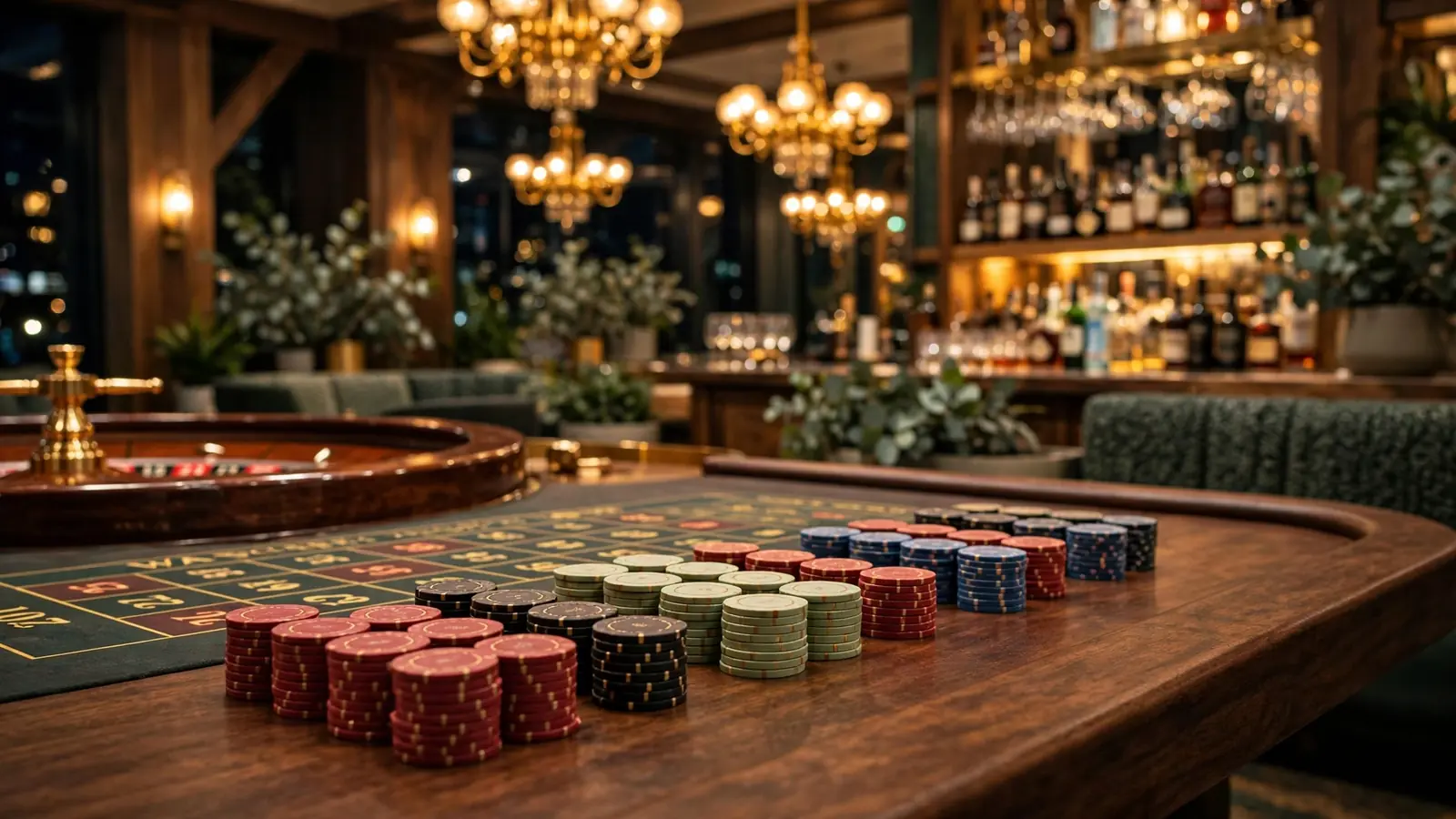
A hotel associated with a casino can look like one product on a booking page: a room, an entertainment venue and a “deal” presented together. In practice, those are separate claims. A room listing describes accommodation; a casino offer describes conditions attached to gambling or another service. The fact that the two appear under one brand does not establish that either is available on the terms a headline suggests.
I have seen how a neat promotional label can do more work than the detail beneath it. “Stay and play” sounds like a complete package, but it may simply place two services beside each other. A room rate does not, by itself, confirm casino entry, a gaming credit, a meal, a particular room type or any other inclusion. Those items need to be stated as part of the actual booking or offer, rather than inferred from the property’s name or photographs.
The same distinction matters when comparing Western Australian casino hotels. A search result or travel page can identify a property as a casino hotel without proving that a particular room is for sale on the dates being considered. Nor does a general property description establish that a pictured room, view or feature is included in every rate. The useful unit of comparison is the specific room offer: its description, dates, price, inclusions and conditions as displayed at the point of booking.
Choosing an online casino from Western Australia calls for a close look at the details available for each option. This list highlights the specific licensing, deposit, and payout information provided for the operators.
7Bit Casino
7Bit Casino is operated by Dama N.V. and lists a Curaçao license.
MrPacho
MrPacho lists crypto payouts at 30–120 minutes and fiat payouts at 24–72 hours. Its minimum deposit is A$30.
SkyCrown
SkyCrown lists a Tobique Gaming Commission license. Its stated payout times are around 10–15 minutes for crypto and 1–5 days for fiat, with a A$30 minimum deposit.
Wild Tokyo
Wild Tokyo lists a Curaçao license and a A$10 minimum deposit. Its stated payout times are 30–60 minutes for crypto and 1–5 days for fiat.
Uptown Pokies
Uptown Pokies lists a Curaçao license and has been operating since 2017. Its minimum deposit is A$20.
Thor Casino
Thor Casino lists a Curaçao license from Antillephone N.V. and is operated by Versus Odds B.V. Its minimum deposit is EUR 20.
Roby Casino
Roby Casino lists a Curaçao eGaming license held by Roby Games Ltd.
Ricky Casino
Ricky Casino lists crypto payouts under one hour and PayID payouts in 1–3 business days. The minimum deposit is A$20, or A$30 to qualify for the bonus.
GoldenCrown
GoldenCrown lists a Curaçao Gaming Control Board license, OGL/2023/176/0095, held by Hollycorn N.V.
LevelUp Casino
LevelUp Casino lists a Curaçao eGaming license, OGL/2023/174/0082, held by Dama N.V. Its minimum deposit is A$15.
“Deal” is another word that needs unpacking. It can describe a reduced room rate, a bundle or simply a promotional presentation. Without the terms, the word says little about what is included or what makes the offer different from another rate. I would treat the headline as a signpost, not as the contract. The booking conditions carry the operational detail: what is reserved, what is payable, and what happens if the reservation changes or is cancelled. If those terms are unclear, the offer is not yet clear.
This is also why a casino hotel’s name should not be treated as verification of a casino promotion. The accommodation reservation and any casino-related promotion may have different eligibility rules, availability and booking channels. One can be confirmed while the other is not. A hotel confirmation should therefore be read for the room it actually secures, rather than as evidence of benefits that were not expressly included.
Opening hours are a separate matter again. A hotel booking does not establish when a casino is open, and a venue’s operating schedule cannot be inferred from the fact that rooms are sold there. Hours can be time-sensitive, so an old listing or a general description is not a sound basis for planning a visit. The room and the venue schedule answer different questions.
 Fast Payout Online Casinos in Australia: What to CheckLearn how withdrawal eligibility and identity checks affect casino cash-outs in Australia. First withdrawals may require photo ID and proof of address.
 Casino in Victoria: Hotel Offers and Details to VerifyLearn why casino-hotel offers depend on dates, room category, booking conditions and included extras, and which Victoria venue details remain unconfirmed.
For anyone assessing a Western Australian casino hotel, the practical discipline is simple: identify the room being offered, read the rate conditions, and separate accommodation inclusions from casino claims. Look for wording that makes each inclusion explicit. If a page says only that a hotel is connected with a casino, that establishes association in the page’s description—not a verified room deal or gaming benefit.
That may feel less convenient than treating a hotel package as one ready-made purchase. It is more accurate. A polished label compresses several decisions into one phrase; the underlying terms separate them again. Room first. Offer separately.
A poker room and a room of poker machines are different things, despite the overlap in the wording. A poker room is associated with table poker: players compete in a structured game, and a tournament has its own format, entry conditions and schedule. Electronic Gaming Machines (EGMs), by contrast, are individual gambling machines. A venue’s machine count says nothing by itself about whether it hosts table-poker events.
That distinction matters when comparing casino information across states. Club Liverpool leads NSW clubs in the number of operating poker machines. That is a statement about a club’s machines within New South Wales, not a ranking of Western Australian casino poker rooms and not evidence of a tournament programme. The categories do not travel together. Machine numbers cannot establish the availability, frequency or format of table poker elsewhere.
I have seen venue language blur these categories because “poker” is a useful umbrella in advertising, but it can leave the practical question unanswered. A page mentioning poker machines does not confirm a poker room; a poker tournament announcement does not describe the venue’s EGM offering. “Poker available” is too loose to settle either point. The format matters.
A tournament listing is meaningful only when it identifies the event and its conditions. A general reference to poker does not tell anyone whether play is scheduled, whether the event is recurring, or whether it is a tournament rather than a cash game. Those details can change, so an old listing should not be treated as a current schedule.
The same care applies to claims about a casino poker room in Western Australia. A room name or tournament result from another state is not evidence of a local offering. Nor does a search for casino rooms necessarily mean poker rooms: it can refer to hotel accommodation, which is a separate subject. In venue material, a familiar word can point to quite different services.
Opening status is another separate question. “Open today” and “open now” require current operating information; neither follows from a poker listing or a historic tournament page. A sports bar search also does not establish that a bar is open, that it screens sport, or that poker is played there. These are distinct venue details, not interchangeable clues.
NSW provides a useful illustration of why state boundaries matter. The legal age for gambling on poker machines there is 18. NSW also requires pre-commitment systems in which players set a loss limit before playing. Those are NSW-specific rules and safeguards. They should not be recast as Western Australian requirements simply because both places use the term poker machines.
The same boundary applies to comparisons between clubs and casinos. Club Liverpool’s machine count describes its position among NSW clubs; it does not measure table-poker activity, and it does not identify the best casino in Western Australia. A machine statistic is narrow by design. It answers a machine-count question, not a question about tournaments, bars, opening hours or accommodation.
I would keep those distinctions in view when reading venue descriptions. A tournament page should be judged as an event listing; an EGM reference belongs to machine gambling; a room description may concern accommodation; and a bar listing is about hospitality. Similar wording does not make the services equivalent.
Separate categories. Separate claims.
A casino in Western Australia and an online casino available through a website are different propositions. The first refers to a physical venue; the second raises a question about whether an operator can lawfully provide gambling services to someone located in Australia. Search terms that combine Western Australia with online play can blur that distinction. They do not make an online service part of a local venue.
The Interactive Gambling Act 2001 prohibits operators from providing real-money online casino games to people physically in Australia. That includes pokies, blackjack and roulette. The restriction concerns the service offered by the operator, rather than turning a locally based online casino into a lawful alternative to an in-person casino. I have seen product language make that boundary sound less definite than it is. The legal test is about where the customer is located.
Offshore platforms sit in a different, less protected position. It is technically not illegal for an Australian player to use one, but an offshore platform is not regulated under Australian law. That distinction matters: the fact that a player is not prohibited from using a service does not mean the service is approved for Australian customers, supervised under Australian rules or equivalent to a local gambling venue. “Available” is not the same as locally regulated.
That is why a request for the best casino in Western Australia in 2026 cannot be answered by substituting an offshore website for a physical property. The online option does not establish anything about a venue’s dining, parking or valet service. Nor does a local venue’s existence show that it runs a lawful online casino for people in Australia. Separate questions. Separate checks.
Bingo searches need the same care. A game offered at a physical venue and an online casino-style service are not interchangeable simply because both use the word “bingo” or casino in their descriptions. The key issue for online services is what is being provided, by whom, and to people in which location. A website’s Australian-facing wording does not, on its own, settle whether the operator may provide the service.
I treat claims of “Australian access” as a description of a platform’s reach, not proof of Australian regulation. Offshore operators are not regulated under Australian law, and the legal grey area should not be dressed up as a recommendation. A site that loads is not necessarily lawful to operate here. A game catalogue is not evidence of a local licence.
 Perth Casino Guide: Hotel, Dining and Visit DetailsCompare hotel bookings with plans for a casino visit, and check room type, bed configuration, occupancy conditions and included features in the…
 Hobart Casino: Poker, Stays and Venue DetailsLearn what a live poker room or tournament requires, why old event listings do not confirm games are running, and which venue…
VPN claims need particular caution. A VPN can make a connection appear to come from another country, but using one to access region-blocked pokies sites breaches the site’s terms and may lead to account suspension. It does not change the player’s physical location for the Australian rule on operators providing online casino games. A technical workaround is not a legal workaround. Not the same thing.
For anyone comparing a physical casino in Western Australia with online options, the useful first distinction is therefore legal and practical: local venue information belongs to the on-site question; offshore casino websites belong to a separate, unregulated-service question. Blending them produces confident-sounding answers that do not establish either a venue’s facilities or an online operator’s lawful status.
Accommodation near a casino is a different question from booking a room inside a casino hotel. The first concerns independent places to stay and the practical journey between them and a venue; the second concerns rooms operated as part of the property itself. Mixing the two can make a hotel package look like evidence of nearby availability, when it may describe only a particular property or offer.
I would treat “near” as a detail that needs checking, not as a useful distance on its own. A listing may describe a hotel as close to a casino without making clear how the journey works, whether the route is walkable, or whether transport is needed. The casino’s location and the accommodation’s address should be checked separately, then compared using the route and travel conditions relevant to the stay. A map pin alone does not settle those details.
The same care applies to accommodation deals. “Special rate” is advertising language; what matters is the actual room, dates, inclusions, cancellation conditions and any restrictions attached to the price. A promotion connected with a casino does not, by itself, show that rooms are available for the intended dates or that the offer covers a nearby hotel. Terms can change, and an old promotion should not be treated as a current booking option.
Parking is another practical point that cannot be inferred from proximity. A hotel may have its own parking arrangements, while casino parking may be separate; neither should be assumed to be included in a room price. Before relying on a plan, the relevant property’s own information should clarify whether parking is available, whether charges or conditions apply, and whether the arrangement suits the length of the stay. These are separate questions from the casino’s gaming machines or trading hours.
I have seen how an appealing package headline can compress several different products into one neat phrase. The headline may lead with a casino stay, while the actual terms concern accommodation, access or an offer with its own conditions. That is not necessarily misleading, but the detail sits below the headline. Read the booking terms as a description of one specific arrangement, not a general promise about accommodation across Western Australia.
A sound comparison therefore keeps the venue and the lodging distinct: establish the casino’s address from its own current venue information, confirm the accommodation address with the property, and check the route between them. Then confirm availability and price with the accommodation provider rather than assuming that a casino promotion covers nearby stays. If opening information matters to the itinerary, check it directly with the venue; it does not establish whether a hotel room or parking space is available.
 Darwin Casino: Development, Stay and Visit GuideExplore development claims, stays, dining, poker, access restrictions and practical visit details. The guide distinguishes announcements from completed changes.
 Sydney Casino Hotels: Rooms, Gaming and Booking TermsSeparate room, gaming and venue-service terms matter: a hotel booking alone does not confirm access, available facilities or operating schedules.
No shortcut. Verify each part.
Baccarat and craps are table games, but a game name alone does not establish that a particular casino in Western Australia offers it. The distinction matters: a general description of casino games is not a current venue schedule. I treat a game as confirmed only when the venue’s own current information identifies it, rather than when it appears in a broad list of what casinos may offer.
Online play is a separate question. Under the Interactive Gambling Act, operators based in Australia are restricted from offering online casino games such as pokies, blackjack and roulette. That legal context does not confirm what is available on a physical gaming floor, nor does a physical venue’s game list establish that an online version can legally be offered by an Australian-based operator. Different product, different rules.
A bar is another claim that needs a venue-specific source. The word can refer to a named bar, a general hospitality area or simply a feature included in promotional copy. Those descriptions are not interchangeable. I would look for a current venue page or direct confirmation before treating a bar’s name, location, service or operating status as settled. A map pin or an old event listing cannot carry that weight.
The same discipline applies to car parking. A map may show roads, entrances or nearby parking areas without establishing who operates a car park, whether it serves casino visitors, or what access conditions apply. Those are practical details, not safe deductions from the venue’s name or footprint. Check the venue’s own transport information or ask its staff; do not turn a map label into a promise.
Concert listings require dates and current confirmation. An old performance page can show that an event was once advertised, not that concerts are regularly held or that another event is planned. I would distinguish a dated event announcement from a standing entertainment programme. “Live entertainment” is often broad wording. It does not, by itself, specify a concert, performer or schedule.
Contact details are the point where accuracy becomes especially practical. A phone number copied from an old directory can be out of date, and a similarly named business may not be the casino. The safest route is the current contact page on the venue’s official site. If the number or email differs across listings, that discrepancy should be resolved before relying on either one. No guesswork.
A casino map should also be read for what it actually shows. It may identify public areas or entrances, but it does not necessarily settle game availability, access arrangements or current facilities. For a visit, the map and the venue’s direct information serve different purposes: one helps with orientation; the other confirms details that can change.
That is the useful boundary for these searches. Baccarat, craps, bars, parking, concerts, contact channels and maps each call for a specific, current source. A polished description is not proof. A checked detail is.
A breakfast buffet, a casino rewards programme and a job vacancy belong to different parts of a venue’s business. Their appearance together in a search result does not establish that a Western Australian casino resort offers any particular meal, membership scheme or role. I keep those questions separate: dining is a venue service, rewards are programme terms, and employment depends on current recruitment.
For breakfast or a buffet, the useful details are practical ones: whether service is offered, when it runs, what is included and whether booking is required. Those details can change, and a hotel description or an old listing is not enough to confirm them. The same caution applies to the word “resort”. It can describe a property’s positioning, but it does not prove that breakfast is included, that a buffet operates, or that casino access comes with a room.
Rewards language deserves its own reading. “Points” or “member benefits” can sound like an immediate saving, while the actual value depends on the programme’s rules: how rewards accrue, where they can be used and whether conditions apply. Without current terms for a named venue, I would not treat a general reference to casino rewards as proof of a specific benefit. Marketing label first. Conditions matter.
Online bonuses are a separate matter again. A free-spin offer is not the same as a breakfast inclusion or an on-site loyalty benefit. Winnings from free spins can be subject to wagering conditions before withdrawal. One report published by psu.com describes requirements in a range from 20 to 50 times the winnings; a separate specialist review states a 30-times requirement. Those are reported examples, not a universal rule. The terms attached to a particular offer determine what applies, and the figures should not be transferred from one promotion to another.
Winnings from free spins are often subject to wagering conditions before withdrawal. Reported requirements range from 20 to 50 times the winnings, though specific terms vary by offer.
I read the condition as part of the offer, not as small print that can be left until later. Wagering rules can affect whether winnings are withdrawable, while bonus terms may also include maximum cashout limits or clauses that allow winnings to be voided. A headline promoting “free” spins does not remove those restrictions. The qualifying play, eligible games and withdrawal conditions are what give the offer its actual shape.
There is also a legal distinction that advertising copy can blur. Real-money online casino games are prohibited for operators providing them to people in Australia under the Interactive Gambling Act 2001. That is separate from the question of what food, rewards or jobs a physical venue may offer. An online bonus should not be read as evidence of an on-site casino benefit, and an on-site membership claim does not establish that an online offer is lawful.
Employment searches need the same separation from promotional material. A venue’s recruitment information, if current, is the place to establish whether a role is open and what its duties and conditions are. A resort label does not confirm that jobs are available. Breakfast, membership and work are three different checks. No shortcut.
Opening hours, event listings and reopening notices answer different questions, and they can change independently. I have seen how a polished venue page can make a date or schedule look settled when the practical detail is narrower: a particular service may run only at certain times, while an event listing may describe a one-off programme rather than regular entertainment. A current announcement is not a standing timetable.
For a Western Australian casino, claims about whether a venue is open, has reopened, is developing new facilities or has scheduled entertainment need to be tied to a dated, identifiable venue notice. Employment information is another matter: a recruitment listing describes a role and its status, not the venue’s general operating hours. Search results and copied event calendars can lag behind changes. Treat each item as a separate claim, not as proof of a broader reopening or development.
The same discipline applies to menus. A menu can be attached to a particular outlet or service period; it does not establish that the whole venue is open or that every listed option is available. I would not use an entertainment announcement to infer dining hours, or a job advertisement to infer a reopening date. Different departments, different clocks.
Online game availability follows a separate mechanism altogether. An online operator can use a player’s IP address to estimate geographic location and apply region blocking. When a game is excluded for the detected region, it may not appear in the game lobby at all. A specialist review has also reported games failing to load because of regional restrictions; that is a possible explanation, not a diagnosis for every loading problem.
That distinction matters in Australia because the Interactive Gambling Act 2001 prohibits operators from providing real-money online casino games to people physically located in the country. A game missing from an online lobby therefore says nothing about whether a physical casino is open, hosting an event or hiring. Nor does the presence of a game in a catalogue elsewhere establish that it is available to Australian players.
A venue’s doors and an online lobby are not interchangeable measures of access. The first is a question of the physical site’s current schedule; the second can depend on location-based restrictions. When the question concerns a specific event, opening status or development announcement, the useful evidence is a current notice from the venue or the relevant organiser, with dates and scope clear. When a game is absent online, the lobby’s regional availability is a different issue.
That is the practical split. Check the notice. Check the location rule. Don’t conflate them.
Restaurant information and gambling rules belong to separate checks. A listing for a restaurant at a Western Australian casino would need to establish the venue’s name, location, menu and current service details before any of those could be treated as reliable. The same applies to a rooftop bar: a phrase in a listing is not proof that one operates at a particular property, or that it is open to diners.
I have seen how easily hospitality copy turns a possibility into a promise. “Dining destination” can describe anything from a full-service restaurant to a broad marketing label; it says nothing by itself about the menu, booking arrangements or whether meals are being served now. For a practical decision, details need to be tied to the specific venue and checked against current information. Without that, naming a restaurant or describing its offer would be guesswork. Better left unsaid.
The distinction matters because on-site dining and online casino play are not two versions of one service. A restaurant is a physical hospitality offering. Online pokies, blackjack and roulette are gambling products, and the Interactive Gambling Act places restrictions on Australian-based operators providing those games. A casino’s presence as a physical venue does not remove those restrictions or make online casino play an extension of its dining offer.
That separation also keeps venue descriptions honest. A restaurant may be associated with a casino building, but that does not establish that every visitor can enter, that a particular menu is available, or that dining and gambling are packaged together. Those are separate operational details. “At the casino” is a location description, not a complete account of access or service.
I treat restaurant claims as claims about hospitality, not as evidence about gambling permissions. Likewise, a physical casino’s food service cannot be used to imply that its games are available through a website to people in Australia. The legal distinction is about the online service and the operator’s position, not the kind of meal served nearby.
For anyone comparing casino restaurants in Western Australia, the useful information is concrete and property-specific: a confirmed venue name, current menu, service format and operating details. Those particulars should not be inferred from a casino label, a rooftop-bar reference or a general description of the building. If the claim cannot be tied to an identifiable offer, it should not carry weight.
The same restraint applies in reverse. A lack of restaurant detail says nothing about the quality of a casino’s on-site facilities; it simply leaves that point unanswered. Keeping dining and online gambling distinct avoids turning a hospitality description into an unsupported claim about access to casino games. Separate questions. Separate evidence.
A practical venue check starts with separating details that sound related but answer different questions. A street address identifies a property; it does not establish what is inside, which services operate there, or what conditions apply on arrival. I have seen listings treated as interchangeable when they are not. The small print matters.
For a Western Australian casino address, the useful detail is the venue’s own current location information, including the specific entrance or building intended for visitors. A map pin can point to a broader complex rather than the door being sought. Parking access, public transport and entry arrangements are separate questions, not facts that can be inferred from an address alone. No substitute for confirmation.
A day spa or spa search calls for the same discipline. The word “spa” can refer to a treatment business, a hotel amenity or a broader wellness facility; those are not interchangeable services. A name in a directory does not establish that treatments are offered, that bookings are open, or that the business is part of a casino property. I would look for a direct service description and current booking information before treating the claim as settled.
Dress code is similarly easy to overstate. “Smart casual” is a label, not a complete rule: it may not explain footwear, entry to particular areas, or whether requirements differ by event. Any published policy should be read as applying to the venue and area it names, rather than stretched into a universal casino rule. A vague promise of “no fuss” proves little.
The word “games” also needs context. At a physical casino it can refer to the games available on the floor; online, it refers to a digital catalogue subject to a different legal and access framework. The two should not be blended into one description. In Australia, the Interactive Gambling Act 2001 prohibits operators from providing real-money online casino games to people located in the country. That does not describe the games or facilities of a physical Western Australian venue.
Career information belongs to yet another category. A job advertisement should identify the employer and role, while details such as duties and application process belong to that vacancy—not to a general description of casino employment. A venue name alone does not establish that recruitment is active.
I keep these checks separate because a polished listing can make a property seem more fully documented than it is. Address, spa, dress expectations, games and employment each need their own current, venue-specific confirmation. No bundled assumptions.
Food and pool listings can make a casino look like a resort, but the labels are not interchangeable. A food court is a specific kind of dining area; “food at the casino” could refer to quite different arrangements. Likewise, a pool may belong to a nearby hotel or another part of a precinct rather than the casino itself. The wording on a map or directory does not settle that distinction.
I have learned to separate the amenity from the property name. A result attached to a casino address may describe the surrounding complex, a hotel, or a business with its own entry and operating arrangements. That matters when a visit depends on a meal stop or pool access: the name alone does not establish who runs the facility, whether it is open to non-guests, or whether access is currently available. Those details need confirmation from the relevant venue before plans are made.
“Resort” is the word that tends to blur these boundaries. In promotional copy, it can suggest a complete package; in practice, it may simply group separate businesses under one destination label. I would not treat that wording as evidence of a food court, a swimming pool, or any particular level of access.
The same caution applies to broad descriptions of casino food in Western Australia. They do not identify a menu, service style, location, or whether dining is part of the casino operation. None should be inferred from the category alone. A specific facility is only a useful detail when its operator and current arrangements are clear.
That is a modest distinction, but it prevents an amenity search from turning into a promise about the whole property. Labels are not access.